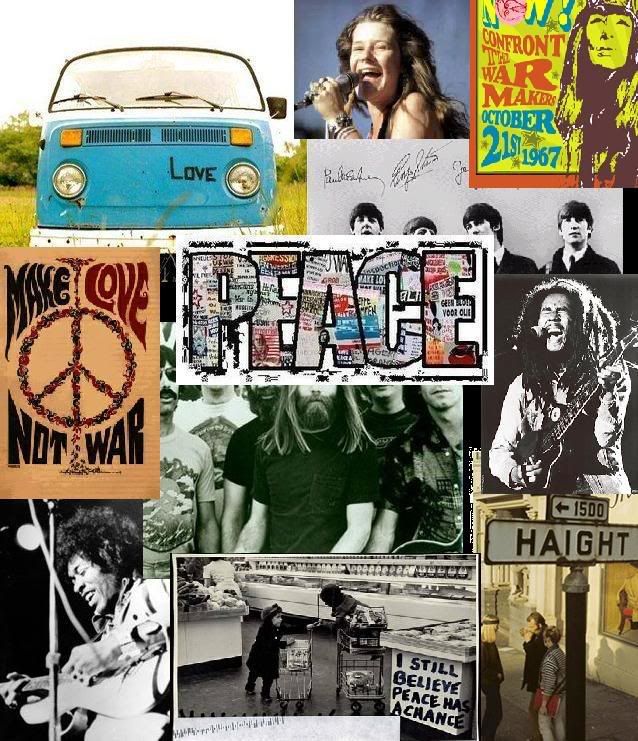
Tuesday, December 9, 2008

Lyrical Analysis

Lyrics of the song "Brown Sugar":

Gold coast slave ship bound for cotton fields,
Sold in a market down in new orleans.
Scarred old slaver know hes doin alright.
Hear him whip the women just around midnight.
Ah brown sugar how come you taste so good
(a-ha) brown sugar, just like a young girl should
A-huh.
Drums beating, cold english blood runs hot,
Lady of the house wondrin where its gonna stop.
House boy knows that hes doin alright.
You should a heard him just around midnight.
Ah brown sugar how come you taste so good
(a-ha) brown sugar, just like a black girl should
A-huh.
I bet your mama was a tent show queen, and all her boy
Friends were sweet sixteen.
Im no schoolboy but I know what I like,
You should have heard me just around midnight.
Ah brown sugar how come you taste so good
(a-ha) brown sugar, just like a young girl should.
I said yeah, I said yeah, I said yeah, I said
Oh just like a, just like a black girl should.
I said yeah, I said yeah, I said yeah, I said
Oh just like, just like a black girl should.

Analysis:

"Brown Sugar" has a rocker type feel that is very upbeat. When people listen to a song, it's unlikely that they will focus on the message. Hearing the term "Brown Sugar" conveys a picture of a sweet, young, bronze skin girl that is beautiful in the sight of the artist who wrote the song. In reality, it is a completely different situation. Evidently, this song speaks about a slave master having sex with an African American slave, though the sound of the song depicts a completely different message. "Brown Sugar" was a big hit delivered by The Rolling Stones in the 70's, yet the lyrics were written in the 60's.


The song had a combination of an ethos and pathos appeal. The ethos appeal is relevant due to the fact that the artists of the song, The Rolling Stones, were incredibly popular during the 1960's. Due to all of their success and popularity, many people became incredibly fond of the rock n' roll band. Because of the sexual mood of the song, it also has a pathos appeal to it. The lyrics of the song, like so many others during this generation relate to the feelings and emotions of the people during this time period. The song had a memorable melody and fast tempo that is combined with a amazing guitarists and drummers who are both talented and attractive. It all contributes to make one sound which releases a message of sex. Who wouldn't listen?

Monday, December 8, 2008

1960's

The sixties was centered around the youth of America. The new generation mainly focused on changes in society. Several changed were recognized and affected education, values, lifestyles, laws, and entertainment.

Theater, film, radio & television

Broadway productions had become prohibitively expensive for adventurous offerings, so producers resorted to musicals and work elsewhere. Therefore, theater expanded outside of New York City. The most prestigious playwright of the sixties is Edward Albee, who wrote Who's Afraid of Virginia Woolf. This movie starred a beautiful actress and had many relations to alcohol and tension between couples. Basically, it represented the 1960's in a nutshell. The 60's had a major boom of failed marriages because the people of the 60's were not as moral as the generation that had come before them. Many people believed that marriage was a simple thing that they would enjoy, but they soon came to the realization that they were wrong. Alcohol was also extremely relevant to the 1960's. The consumption of alcohol was at an all time high in the 60's, so the fact that the movie had many relations to alcohol was nothing abnormal to men and women. In fact, it was appealing to them because it made them feel more "normal" and "accepted." This of course would be called a pathos appeal, because it touches them on a personal level.

According to studies done by the National Cancer Society, 80% of people in the 1960's were smokers. In the movie and film industry, several popular actors and actresses all smoked cigaretts, which was both an ethos and pathos appeal. It was an ethos appeal because the actors and actresses were well known and famous, which gave them credibility. When people saw them smoking, they would think it was "cool" and okay. This in turn would then touch them on an emotional level because if their favorite actress smoked and they didn't, then they would be left out.

Movies

Movies became more political, commenting on the arms race as in Dr. Strangelove. Sex became more explicit, and occasionally nontraditional, as in Midnight Cowboy, Bob and Carol and Ted and Alice, and The Graduate. Six James Bond Movies, including Dr. No, From Russia With Love, and Goldfinger, combined sex and violence and were enormously popular. Previous taboos on sex, violence and language, were ignored, resulting in the need for a new film code by the MPAA.

Radio

Radio continued to be the primary means of listening to music. The major development was a change from primarily AM to FM. When Chubby Checker introduced the twist on the show in 1961, a new craze was born, and dancing became an individual activity.

Television

Television offered the second prime time cartoon show, the Flintstones, in 1960.It appealed to both children and adults and set off a trend that included Alvin and the Chipmunks, the Jetsons, and Mr. Magoo.

Education

During the sixties, college campuses became centers of debate and scenes of protest more than ever before. In 1966, James S. Coleman commissioned by the government, published Equality of Educational Opportunity, a landmark study that led the way to forced integration and bussing in the 1970's.

Toys

California surfers took to skateboards as a way to stay fit out of season, and by 1963, the fad had spread across the country. Barbie dolls, introduced by Mattel in 1959, became a huge success in the sixties, so much so that rival toy manufacturer Hasbro came up with G. I. Joe, 12 inches tall and the first action figure for boys. Slot cars overtook toy trains in popularity.

Fashion

The 1960's began with crew cuts on men and bouffant hairstyles on women. Men's casual shirts were often plaid and buttoned down the front, while knee-length dresses were required wear for women in most public places. By mid-decade, miniskirts or hot pants, often worn with go-go boots, were revealing legs, body wear was revealing curves, and women's hair was either very short or long and lanky. Men's hair became longer and wider, with beards and moustaches. Men's wear had a renaissance. Bright colors, double-breasted sports jackets, polyester pants suits with Nehru jackets, and turtlenecks were in vogue.

Important Historic and Cultural Events

1961-Peace Corps created by Pres. Kennedy 1963 - Martin Luther King delivers his I have a dream speech 1963 - Pres. John F. Kennedy is assassinated in Dallas, Texas 1963 - Lyndon Johnson becomes President of the United States

Music

Elvis returned to the music scene from the US Army, joining the other white male vocalists at the top of the charts; The Tamla Motown Record Company came on the scene, specializing in black rhythm and blues, aided in the emergence of female groups such as Aretha Franklin, as well as some black men, including James Brown. The Beach Boys began recording music that appealed to high school students. The Beatles, from England, burst into popularity with innovative rock music that appealed to all ages. The Righteous Brothers were a popular white duo who used African American styling to create a distinctive sound.There was a major change in popular music in the mid-1960's, caused in part by the drug scene. Acid Rock, highly amplified and improvisational, and the more mellow psychedelic rock gained prominence.

Colors, Moods and Attitudes


Red
Red is the color of fire and blood, so it is associated with energy, war, danger, strength, power, determination as well as passion, desire, and love.
Red is a very emotionally intense color. It enhances human metabolism, increases respiration rate, and raises blood pressure. It has very high visibility, which is why stop signs, stoplights, and fire equipment are usually painted red. In heraldry, red is used to indicate courage. It is a color found in many national flags.
Orange
Orange combines the energy of red and the happiness of yellow. It is associated with joy, sunshine, and the tropics. Orange represents enthusiasm, fascination, happiness, creativity, determination, attraction, success, encouragement, and stimulation.
To the human eye, orange is a very hot color, so it gives the sensation of heat. Orange increases oxygen supply to the brain, produces an invigorating effect, and stimulates mental activity. In heraldry, orange is symbolic of strength and endurance.
Yellow
Yellow is the color of sunshine. It's associated with joy, happiness, intellect, and energy.
Yellow produces a warming effect, arouses cheerfulness, stimulates mental activity, and generates muscle energy. In heraldry, yellow indicates honor and loyalty. Later the meaning of yellow was connected with cowardice.
Green
Green is the color of nature. It symbolizes growth, harmony, freshness, and fertility. Green has strong emotional correspondence with safety. Dark green is also commonly associated with money.
Green has great healing power.Green suggests stability and endurance. In heraldry, green indicates growth and hope. Green, as opposed to red, means safety.
Blue
Blue is the color of the sky and sea. It is often associated with depth and stability. It symbolizes trust, loyalty, wisdom, confidence, intelligence, faith, truth, and heaven.
Blue is strongly associated with tranquility and calmness. In heraldry, blue is used to symbolize piety and sincerity.
Purple
Purple is associated with royalty. It symbolizes power, nobility, luxury, and ambition. It conveys wealth and extravagance. Purple is associated with wisdom, dignity, independence, creativity, mystery, and magic.
Purple is a very rare color in nature; some people consider it to be artificial.
White
White
is associated with light, goodness, innocence, purity, and virginity. It is considered to be the color of perfection.
White means safety, purity, and cleanliness. In heraldry, white depicts faith and purity.
Black
Black is associated with power, elegance, formality, death, evil, and mystery.
Black is a mysterious color associated with fear and the unknown. It usually has a negative connotation. In heraldry, black is the symbol of grief.
A distinctive emotional quality or character.
A state of mind or a feeling.
In advertising, color plays a vital role in selling products. Having a product that passes as dreary will not interest the viewer, but adding a dark or vibrant color conveys the message of the advertiser. Using color to attract the human eye is beneficial to getting the advertiser's ideas across. For instance, notice the main character in the picture above is wearing a white bra, holding a white flower and grass-green, high waist skirt. Even thought there is sex appeal, the fact that the bra is white still keeps the innocence of the picture. The green skirt represents an innovation and the fact that it is high waist still protects her innocence. The cherry red color on her lips and even the shape of her lips represents love and it makes the picture a little seductive.

Saturday, December 6, 2008

A New Sound


The sixties were said to be the age of youth since there was an incredibly baby boom. Nearly 70 million newborn babies emerged from the 50's. This new generation wanted change, they wanted to move away from the conservative life of the 50's. This is where the 60's music came into play. It was a mixture of Rock 'n' Roll, Rhythm and Blues, and Country music.

The music of this time all promoted sex which was a major influence on teenagers and young adults. The music presented a pathos appeal that used sex to connect to the listeners. The music icons who helped to produce this type of music included artists such as The Beatles, The Supremes, and The Beach Boys.

In addition, rock music was unafraid to use music as a tool to send messages of rebellion to the youth. The Rolling Stones were big contributors when it came to expressing the matters of young adults in the form of music. A lot of their music was about romance and they encouraged people to protest and stand up for what they believed in.

Also, music was a vital factor in the many evolutions of the sixties such as the Civil Rights Movement, Free Speech Movement, and Anti-War Movement. It's a fact that the sixties was a time of rebellion.

Thursday, December 4, 2008

Effects Of The Media

The 1960 also known as “The Sex Revolution” was effected by the media in many ways.
A research on media effects children ages three to six years of age in the 1960s were heavily influenced by Social Learning Theory. First described by Bandura and Walters in 1963, this theory profoundly influenced media effects research. The basic premise of the theory is that children learn through observation. Applied to media effects research, Social Learning Theory predicts that children can learn new behaviors from television and other audiovisual media. Seminal media studies of the 1960s found that young children learned and reproduced specific acts of aggression they observed on film. A series of experiments demonstrated that children imitate aggressive acts they saw on film, especially when the aggressive model (adult performing acts of aggression)

Children aged three to six years imitated all physical and verbal behaviors of a televised model when they were directly rewarded for doing so. However, they displayed significantly less imitative aggression when the televised model was punished than when they saw the model rewarded or suffer no consequences. Thus, all children had learned the aggressive behaviors, but the children who saw the model rewarded or suffer no consequences were most likely to perform the aggressive acts (Bandura, 1965)
In the 1960s television and fashion magazines became the media that affected the 60’s.

The Sixties symbolized a rebirth of culture. From art to music, fashion to philosophy, the youth culture of the “Baby Boomers” expected and demanded everything. As sex and nudity in movies and TV became far more common place than it was in the 50s, preteen kids were exploring their sexuality and some were having sex. Marriage was no longer "needed" as FREE LOVE made the idea of getting married and having sex with ONE person an "old fashioned" and out-of-date concept. No longer did you need to "wait until you got married". "The pill" made is possible to have sex WITHOUT CONSEQUENCES (until STDs showed up). In the 1960s up to 20 other diseases were recognized as being transmitted by sexual contact and the term "sexually transmitted disease" came into use. All these were the effects the media caused when advertising sex.

The Film Industry

Though teachers, parents, and many others have made an effort to censor media everywhere, their efforts have produced little results. Filmmakers, directors, and authors complained censorship didn't allow them to express their creativity or expand their horizons because it interfered with the rights of freedom of speech. Simply stated, censorship was just not the American way.

Movies during this time promoted sex on a global range by choosing provocative titles and hiring gorgeous women to play lead roles. Many of these movies were huge box office hits because they appealed to men and women by the use of rhetoric. The main form of rhetoric that was seen in movies was pathos. Sexy and young actresses would mesmerize audiences and appeal to them on an emotional level that kept their eyes glued to the screen.

During the 1960's, problems were stirring up in the film industry. Around 1962, the box-office lost $900 million, which was more dreadful than the amount it lost during the Great Depression. The Filmmakers and Directors decided to go for a more realistic approach than the traditional romance tales. This decision was said to be "more personal than political."
As an effect, every movie was now being rated accordingly by the Rating Administration. This way, everyone had a choice, especially parents who now felt more secure in what their children watched. The Code and Rating Administration would first review the movie, then rate it. The ratings were as follows:

1. (G) SUGGESTED FOR GENERAL AUDIENCES
This category includes motion pictures that in the opinion of the Code and rating Administration would be acceptable for all audiences, without consideration of age.

2. (M) SUGGESTED FOR MATURE AUDIENCES- ADULTS AND MATURE YOUNG PEOPLE
This category includes motion pictures that in the opinion of the Code and Rating Administration, because of their theme, content and treatment, might require more mature judgment by viewers, and about which parents should exercise their discretion.

3. (R) RESTRICTED-persons under 16 not admitted unless accompanied by parents or adult guardian.
This category includes motion pictures that in the opinion of the Code and Rating Administration, because of their theme, content or treatment, should not be presented to persons under 16 unless accompanied by a parent or adult guardian.

4. (X) PERSONS UNDER 16 NOT ADMITTED
This category includes motion pictures submitted to the Code and Rating Administration which in the opinion of the Code and Rating Administration are rated (X) because of the treatment of sex, violence, crime or profanity. Pictures rated (X) do not qualify for a Code Seal. Pictures rated (X) should not be presented to persons under 16.

Wednesday, December 3, 2008

Sexual Rebellion

Modest people of the 1960's state that society was getting a little "out of hand". Sex was no longer intimacy between man and wife, nor was it a personal matter discussed behind closed doors. A free thinking view towards sex was considered to be normal in the 1960's. It was exposed into the open for all eyes to gaze upon.

During this time period, there were a large amount of cases being taken to the supreme court for indecency or sexually related subjects found in magazines, newspapers, and books. In addition, magazines and books about women that were being sold on shelf's in stores became incredibly provocative and sexually explicit. Today, these forms of media are still incredibly common. However, there is no doubt that teenagers were being directly exposed to this provocative media in the 1960's. To prove a point, scientists have gone to the extent of creating a theory that explains how nude pictures can cause 'psychological harm'.

As the 60's progressed, teenagers began to speak out in rebellion, forcing their opinions to be heard. Their mental focus was towards a style of free open views towards sex. A major issue that surfaced from this newly found mentality was sexually transmitted diseases (STD's).

Trying to keep the youths innocence, teachers, parents, and administrative figures began requesting censorship in attempt to bring the situation to supreme court. In the end, little was done, and there was a count of about seventy-three cases requesting censorship in 1967.

60's Playlist